
29, 30, 31 MAY 2026 | SHOONYA DANCE CENTRE
By Lenka Badriyah & Shoonya Dance Centre
LEYLET RAQS: HERITAGE EDITION
Welcome to Leylet Raqs Festival: Heritage Edition!
The Raqs Sharqi Heritage Festival is a deeply nostalgic celebration where dancers, historians, musicians, and lovers of Egyptian culture come together to honor the roots of our art. Over an intimate weekend filled with workshops, lectures, films, and live performance, we explore the rich past of Egyptian dance, while surrounding ourselves with rare historical treasures, vintage music, warm conversations, and shared passion. Between cosy breaks, inspiring discussions, the world-unique museum exhibition, and a theatre show that blends storytelling with live artistry, the festival invites you to slow down, step back in time, and immerse yourself in heritage, memory, and knowledge.

GUEST ARTISTS

LEYLET RAQS HERITAGE
Muhammad Ali Street Edition
FRIDAY | 29 MAY 2026
Historical Ghent + Chocolate Tour
Guide: Lenka Badriyah
Not included in full pass - extra fee (5 samples of pralines included + guided tour)
Time: 16:00 - 17:30
Fee: 15 euro
Discover Ghent through its most delicious stories! Join Lenka Badriyah for a charming walk through the historic heart of the city, where medieval towers, canals, and local legends blend with the rich aromas of Belgian chocolate. Along the way, you’ll enjoy five hand-picked praline samples from artisan chocolatiers while hearing the tales behind their creation.
Title: Zubah al-Klubatiyah: The Life and Legacy of One of Cairo’s Most Famous Awalim
Teacher: Nisaa & Reda Henkesh
Type: Lecture/Discussion
Duration: 1,5h
Time: 19:30 - 21:00
In the world of Egyptian dance, the name of Zubah al-Klubatiyah carries almost mythic significance. Zubah was an almah – one of the popular singer/dancers who provided entertainment at the weddings and other celebrations Cairo’s lower and middle classes. From the 1930s through the 1950s, she danced her way into the hearts of her adoring public. She even appeared in several films, each of which provides a stunning visual record of her dance, including her remarkable balancing acts and acrobatic feats. Unfortunately, the real Zubah has been hidden away inside the mythologies that have developed around her over the many decades since her death. In this lecture, through a unique combination Nisaa’s extensive historical research and Reda Henkesh’s direct ties to Zubah, you’ll meet the woman behind the myth.
Join us to learn about this remarkable woman, and in doing so, explore the culture of Cairo’s 20th century awalim!
Opening of the Museum Exhibition!
Time: 21:00 - 22:00
Step into a world-unique and truly one-of-a-kind exhibition, showcasing a rare collection that captures Egyptian dancers across the centuries. This exceptional display brings together some of the very last surviving historical items of their kind: fragile old newspapers and clippings, vintage postcards and stereoviews, original silver prints, signed photographs of legendary performers, as well as posters, books, and vinyl records. Together, they form an irreplaceable visual journey through the evolution of Raqs Sharqi, from the Pre-Golden Era to the splendour of the Golden Era.
To enrich the atmosphere, a vintage record player will play authentic Golden Era vinyls throughout the exhibition, surrounding visitors with the warm, nostalgic soundscape of the time and transporting them directly into the era these treasures represent.
Join us for the Grand Opening on Friday, where heritage, memory, and artistry come alive in an immersive and unforgettable celebration of dance history.
SATURDAY | 30 MAY 2026
Title: Baladi Masri Home Made
Teacher: Nada Al Basha
Type: Dance Workshop
Duration: 1,5h
Time: 09:00-10:30
A journey through Egyptian baladi in all its shades: from its popular origins to its musical evolution, from the differences between sung and instrumental pieces to rhythmic structure, costumes, and accessories that tell its story.
The workshop alternates theoretical and practical moments: one part dedicated to the creation of a performative baladi choreography, and another focused on research and improvisation on taqsim and various classical baladi pieces.
All of this while keeping a home made feeling — because baladi is truly baladi only when, on stage as in life, everyone feels they could dance along with us.
Snack Break: 10:30-11:00
Title: The Awalim and the Delta Ghawazi: Music and Movement
Teacher: Nisaa
Type: Dance Workshop
Duration: 2 hours
Time: 11:00-13:00
In this workshop, Nisaa and Reda guide you through a music and movement exploration of the belly dance stylization of Egypt’s urban awalim and Delta ghawazi (focusing on mid-to-late 20th century stylization).
The dance style of these Lower Egyptian traditional entertainers was much more raw and exuberant than the raqs sharqi that would come to dominate in nightclubs and cinema. Frequently, the dance would incorporate gymnastic feats and spectacular balancing acts, the means by which each entertainer would set herself apart from the others. Join Nisaa and Reda to experience the energy and artistry of this traditional Egyptian dance stylization. Note to students: There will be some optional floorwork in this workshop – please participate to whatever extent you feel comfortable!
Lunch Break: 13:00-13:30
The Entertainment Landscape of Cairo: The History and Significance of Central Cairo in the Development of Egyptian Entertainment
Teacher: Nisaa & Reda Henkesh
Type: Lecture/Discussion
Duration: 1,5h
Time: 13:30-15:00
In the city of Cairo, certain spaces bear strong historical associations with professional entertainment. Azbakiyah, Imad al-Din Street, and Muhammad Ali Street were all staging grounds for the development of raqs sharqi at the turn of the 19th and 20th centuries, and these places continue to be linked to professional entertainment and entertainers. However, research reveals that the ties binding these spaces to entertainment extend much deeper than the 19th century. For example, the area that would become the Azbakiyah Gardens was associated with entertainment, recreation, and leisure since the era of the Fatimids, and near the intersection of Muhammad Ali Street with Fatimid Cairo’s main north-south thoroughfare, there was a market for musical instruments fully five hundred years before the former was even constructed. In this lecture, learn about the deep history and legacy of Cairo’s central entertainment district, from the Fatimid era until the present day, and explore the significance of this area in the Egyptian popular imagination.
Movie Time: Funoon Shaabeya + Discussion
Teacher: Sheyla
Time: 15:15 - 16:45
Step into the world of Egyptian folk arts through Funoon Shaabeya, a documentary that opens the doors to Egypt’s rich tapestry of traditional dance, music, and daily life. This film beautifully captures the essence of regional heritage and the communities who carry it. After the screening, join Sheyla for a guided discussion to reflect on the cultural, artistic, and historical threads woven throughout the movie.
A meaningful moment of learning and cultural appreciation for every Egyptian dance enthusiast.
Museum Exhibition
Opening times on Saturday: 17:00-19:00
Theatre Show
Time: 19:30 - 21:00
Tickets: 20 euro
SUNDAY | 31 MAY 2026
Museum Exhibition
Opening times on Sunday: 09:00-10:00 & 12:00-12:45
Title: Egyptian Belly Dance in Transition: An Exploration of Raqs Sharqi at the Turn of the 19th and 20th Centuries
Teacher: Nisaa & Reda Henkesh
Type: Dance Workshop
Duration: 2 hours
Time: 10:00-12:00
Decades before the rise of Golden Era celebrities such as Taheya Carioca and Samia Gamal, Egyptian belly dance had made its way to the stages of Cairo's theaters and music halls. In those settings, the traditional dancing of Egypt's awalim and the ghawazi was transformed into the dance form now recognized as raqs sharqi. In this workshop, join Nisaa for a movement exploration of raqs sharqi before the glamorous Golden Era. Nisaa will guide you through a reconstruction of the technique and aesthetic of raqs sharqi from the 1890s through the 1920s. Explore how early raqs sharqi retained some aspects of awalim and ghawazi styles, and how innovative and foreign elements were absorbed into the dance over the course of this 40-year period.
Lunch Break: 12:00-12:45
Title: From the Street of Art: The Life and Work of a Muhammad Ali Street Entertainer
Teacher: Nisaa & Reda Henkesh
Type: Lecture/Discussion
Duration: 1,5h
Time: 12:45-14:15
In this lecture, Reda Henkesh shares his experiences and insights as a musician from Cairo's famed Muhammad Ali Street. As he recounts personal anecdotes from his career – from playing tabla at baladi weddings, to touring internationally with Egyptian superstar Muhammad Mounir, Reda reveals the unique knowledge, skills, and experiences that set Muhammad Ali Street entertainers apart. As someone who has lived through the profound changes to Cairo’s music and dance culture since the 1970s, Reda Henkesh is a witness to history, and his story is key to understanding the impact of these changes on traditional entertainers and their families. Don’t miss this opportunity to see Muhammad Ali Street through the eyes of one of its most accomplished artists!
Title: Dancing Sheikh Imam – Bodies Singing Memory and Resistance
Teacher: Nada Al Basha
Type: Dance Workshop
Duration: 2h
Time: 14:30 - 16:30
This workshop is inspired by the work of Sheikh Imam, musician and political voice of 20th-century Egypt, as a way to explore the relationship between dance, society, politics, and resistance.
Through his music – powerful, satirical, and deeply rooted in popular life – we will try to transform into movement the social tensions, stories, and emotions that run through his songs, seeking a danced language that merges tradition and contemporaneity, body and commitment, rhythm and word.
Closing Circle: 16:30-17:00
PACKAGES
Need a Shoonya ID? Click here to create one. This is a one-time step required to complete your workshop registration.
*All users who haven't updated their ID since December 2025 must create a new one to continue.
Book it under activities!
Book it under activities!
*Museum Exhibition Entrance is part of every Workshop package.
GALASHOW
Saturday, 30 May 2026 | 19:30 - 21:00
This unique gala performance weaves together live dance, live music, archival video projections, and storytelling, taking the audience on a journey through the development of Raqs Sharqi.
From its early traditional roots to the cinematic splendour of the Golden Era, the show highlights how movement, music, and culture shaped each decade.
Performed by international artists and accompanied by master musicians, this is more than a performance—it is a living timeline, an homage to the dancers and entertainers who defined the art form.
Tickets: 20 euro
Seating: General admission (first-come, first-served). Please arrive early to grab your favorite spot!
Age Policy: 8+ only. (To maintain the atmosphere, children under 8 are not permitted).
Registration and Entry Guidelines
Kindly register in advance to secure your spot, as registrations will close once we reach maximum capacity. Your spot will be confirmed only after completing both registration and payment.
For the comfort and safety of all participants, we politely request that you refrain from wearing outside shoes on the dance floors at Shoonya Dance Centre. Dancing will be barefoot, though you may wear socks if you prefer.
Please note that outside food and drinks are not permitted in the studios at Shoonya Dance Centre.
Additionally, a delightful selection of soup and sandwiches will be offered for purchase during lunch hours on both Saturday and Sunday.
All registrations are non-transferable and non-refundable.
ACCOMMODATION & TRAVEL
If you're looking for accommodation, we recommend considering shared room options in Ghent. You can explore local hotels, hostels on the VISIT GENT WEBSITE or even reach out to fellow participants on our Facebook Group for room-sharing or travel together opportunities.
HEATHER WARD
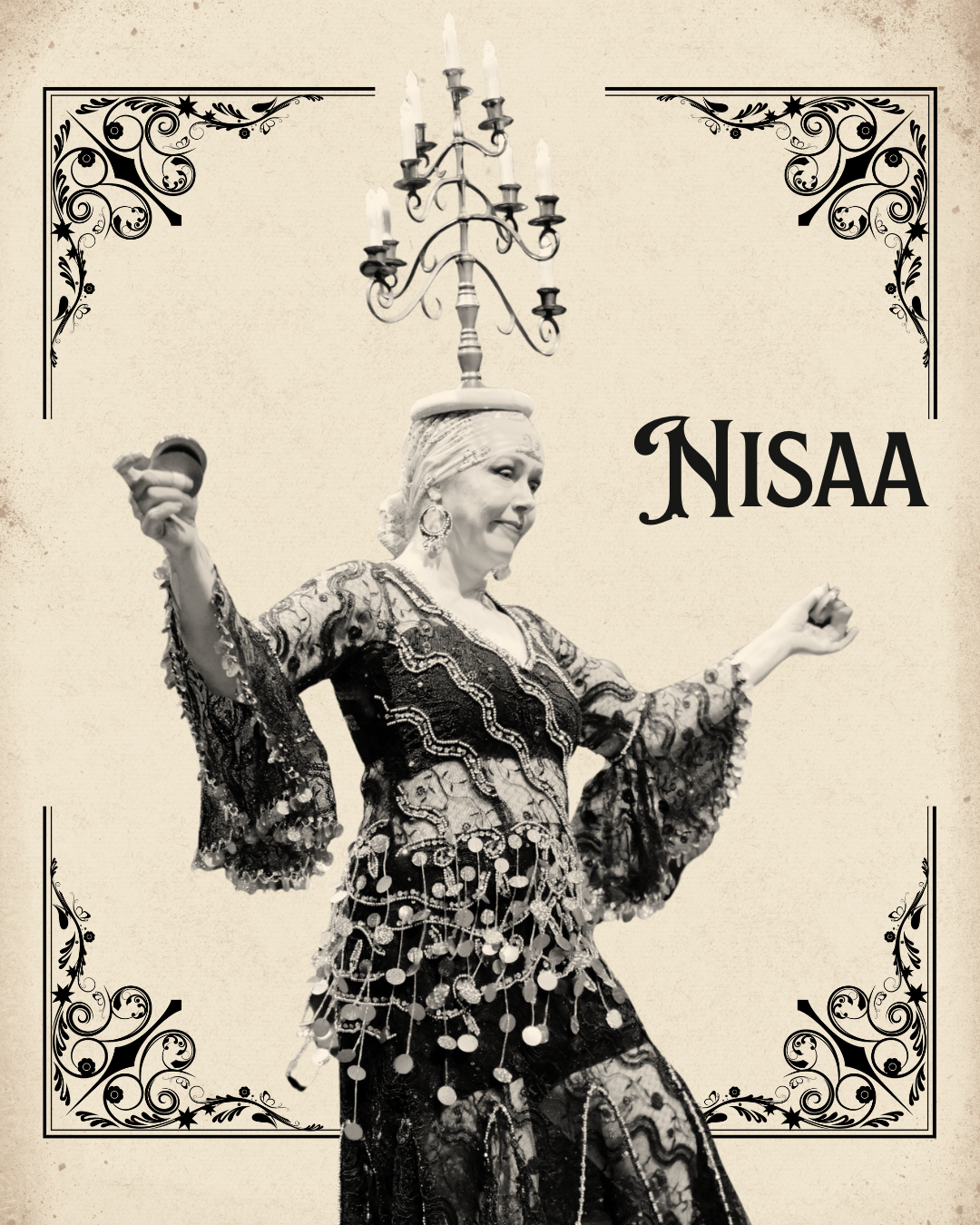
Nisaa (Heather D. Ward) is a Middle Eastern dance instructor, performer, and researcher based in St. Louis, Missouri, USA. Nisaa has been conducting pioneering research into the history and development of Egyptian belly dance.
Her investigations into the transition from awalim and ghawazi dance styles to classical raqs sharqi at the turn of the 19th/20th centuries led to the publication of her first book, Egyptian Belly Dance in Transition: The Raqs Sharqi Revolution, 1890-1930, in 2018. Her latest book, Raqs in the City: The Belly Dance Landscape of Cairo, explores the historical interconnection between dance, dancers, and the city of Cairo, and was released in 2024.
Through excellent instruction, outstanding performances, and original research, Nisaa presents Middle Eastern dance as a living, dynamic folk art and a window into the rich heritage of the peoples and cultures of the Middle East. Learn more about Nisaa at www.bellydancewithnisaa.com.
REDA HENKESH
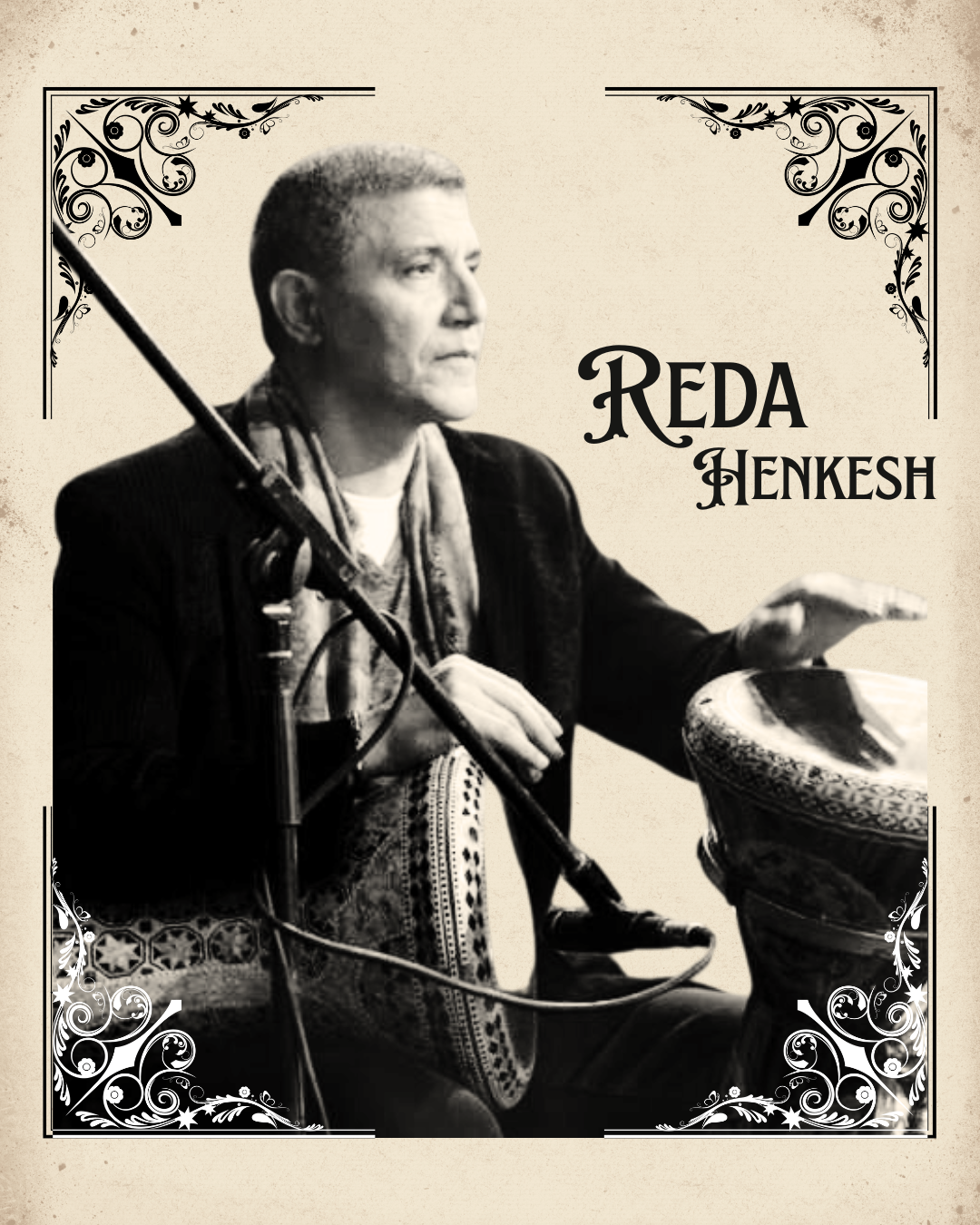
Reda Henkesh is recognized worldwide as a master of the Egyptian tabla.
Hailing from Muhammad Ali Street, long recognized as the musical heart of Cairo, Reda carries on his family’s famous and respected musical legacy.
Reda has worked with some of the legends of Arabic music and dance, including singers Ahmad Adaweya, Muhammad al-Helou, and Wadi al-Safi, and dancers Nagwa Fouad, Mona al-Said, and Shoo Shoo Amin.
Currently, Reda is the lead tabla player for international superstar Muhammad Mounir.
Reda is a true musical treasure, embodying generations of traditional musical knowledge, and bringing a lifetime of musical experience to every performance.
NADA AL BASHA
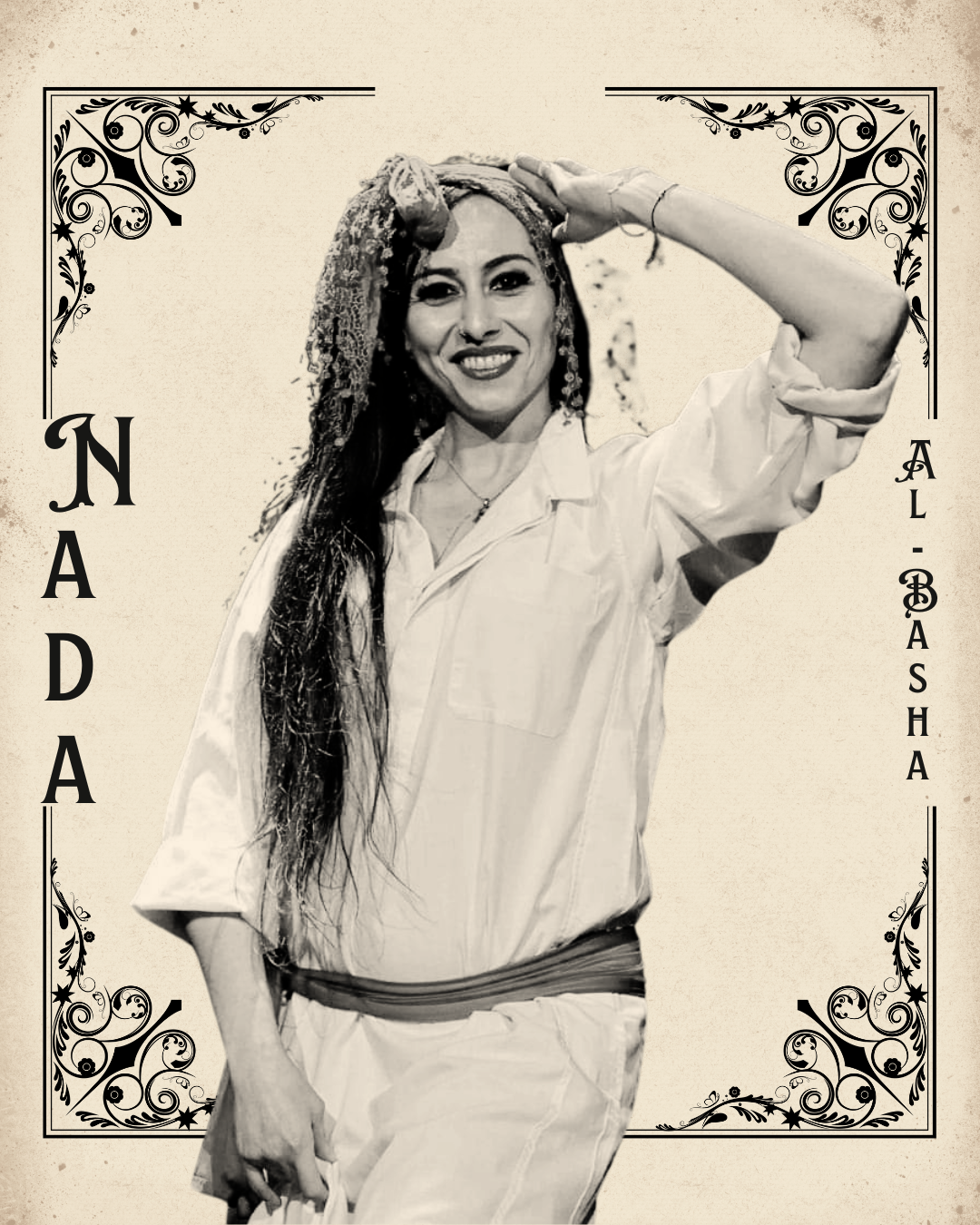
Nada Al Basha is an Italian-Egyptian dancer, teacher and choreographer of Arabic dance.
She is the artistic director of Karabà School and Dance Company (based in Livorno, Tuscany, Italy) and the founder and artistic director of Meya Meya Raqs Festival, an international festival of Arabic dance and culture.
Recognized as a respected instructor on both national and international stages, Nada has taught in renowned festivals around the world, including Cairo, Tokyo, Madrid, and Geneva.
A passionate researcher of Egyptian and Arab folk dances, she combines artistic practice with in-depth historical and cultural study, striving to share dance in its most authentic form, beyond stereotypes and exoticized narratives.
Her social commitment and activism often find expression through dance, which she sees as a powerful means of communication, resistance, and resilience — a way to connect people, tell stories, and preserve and reclaim identity beyond prejudice.
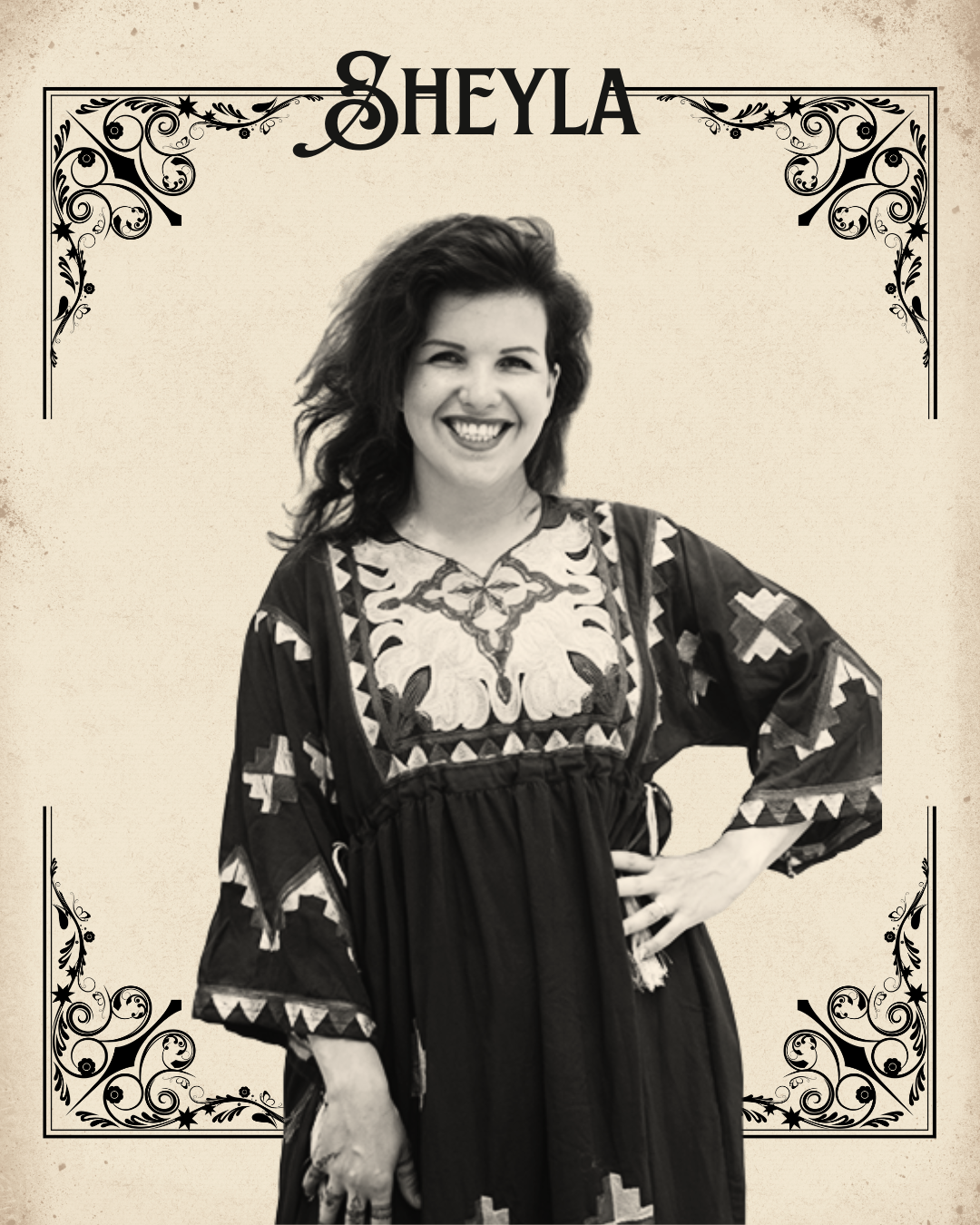
SHEYLA
Sheyla devoted her dance path in connecting and educating the community in her homeland, the Czech Republic. She is one of the pioneers in bringing Egyptian folklore to the knowledge of dancers and teachers in the country, and abroad. Falling in love with Egypt in 2004 brought her to oriental dance and soon Egyptian folklore studies. Thanks to her work and research she could be part of cultural projects organized by EU, Ministry of Interior and Center for foreigners with aim to educate youth about cultural differences, doing lectures and exhibitions for public and activities for foreigners.
Sheyla founded and directed an international festival called Tales of Sahara for 8 years with aim to create a safe space for dancers to connect, create together, perform and learn.
Sheyla performed and taught classes in many countries such as India, South Africa, Greece, South Korea etc. She founded a folklore group Al Fayyum Dancers with whom she got honoured by many awards, Awaleem Performing Arts group with whom she focused on vintage or golden era dance style. Sheyla is the producer and director of the movie Funoon Shaabeya - the documentary that maps Egyptian traditional dances and artists in modern Egypt.
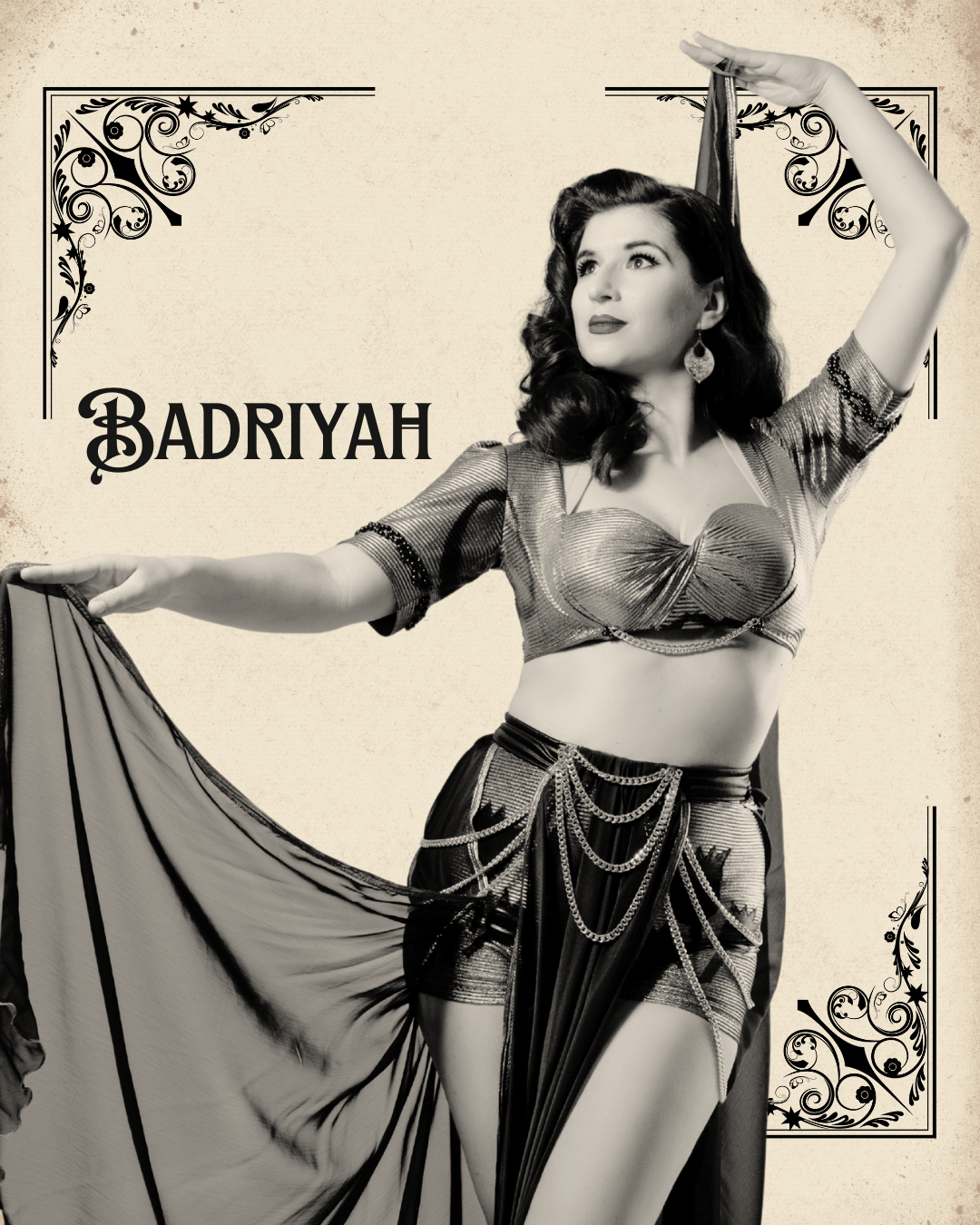
LENKA BADRIYAH
Lenka Badriyah is a dancer from the Czech Republic, now teaching regularly in Belgium. She is known for her Golden Era Raqs Sharqi dances, recreations, and unique teaching. She has been a dance teacher for more than 15 years while constantly studying the dance form and performing in several dance troupes. Badriyah also performed for 10 years alongside Jillina in Bellydance Evolution, both as a lead dancer and troupe dancer, performing in more than 60 shows in Japan, Taiwan, Morocco, Australia, the United States and other countries.
Badriyah is the organizer of the Kan Zaman festival and the Leylet Raqs festival. Badriyah is passionate about Raqs Sharqi and its history. She loves to study legendary Egyptian dancers, and perform so-called Golden Era Bellydance. Badriyah is a collector of vintage items depicting Golden Era legends. Her collection includes more than 400 items, such as postcards, vinyl records, posters, magazines, and very rare items such as signed photos of Samia Gamal, vinyl records with the voice of Badia Masabni, original photo print of Shafiqa El Koptiya, and a billboard with Samia Gamal.
To share all this content with the dance community, Badriyah created an online museum on her website
(www.badriyahbellydance.com) and now she is renovating a space to build an actual Raqs Sharqi Museum in Belgium.
VENUE
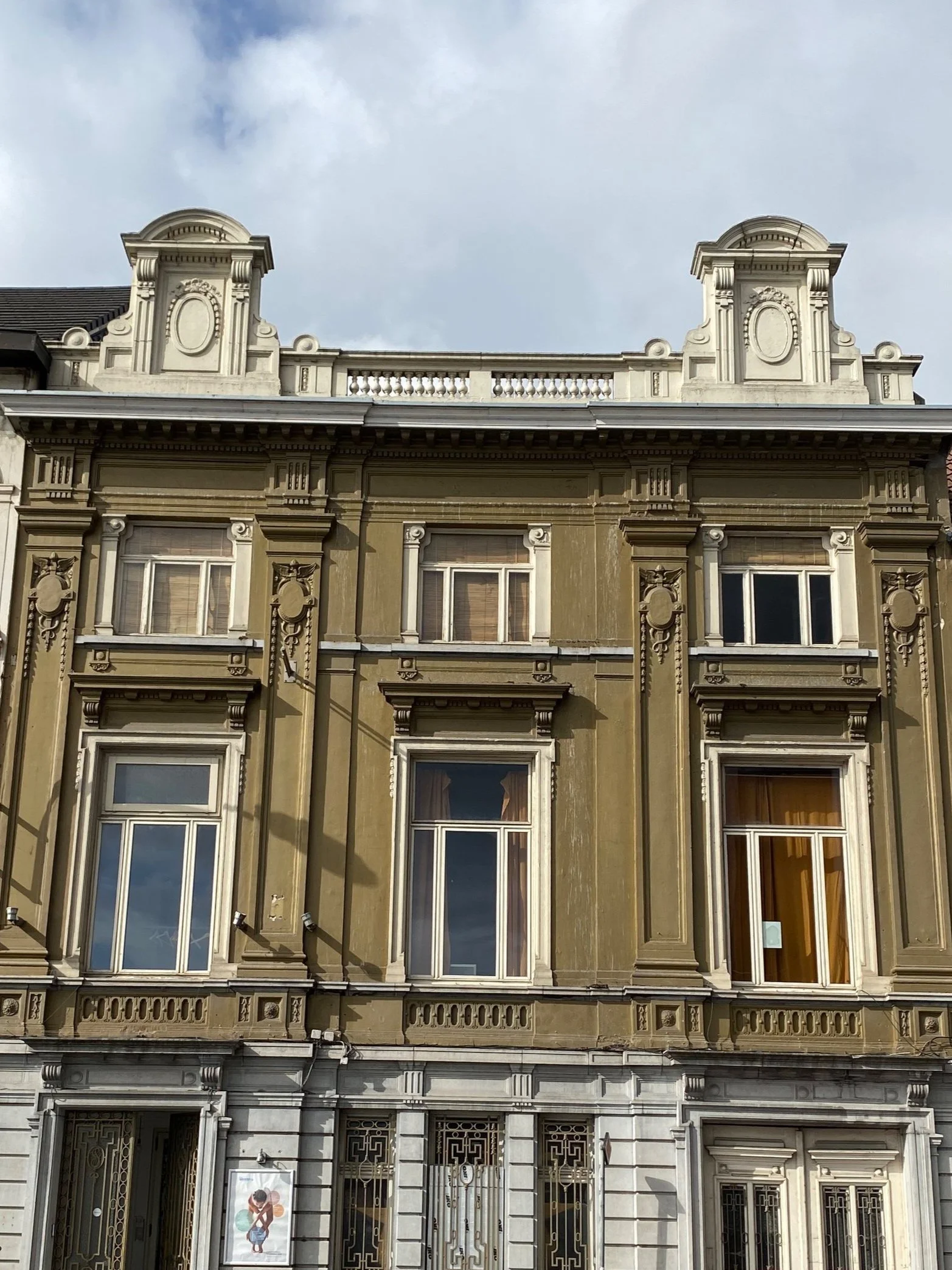
Shoonya Dance Centre, Stapelplein 41, 9000 Gent - Belgium
Shoonya Dance Centre, our creative hub in Ghent, hosts all Leylet Raqs Heritage Festival events — workshops, performances, and lectures. Come join us and be where it all happens!